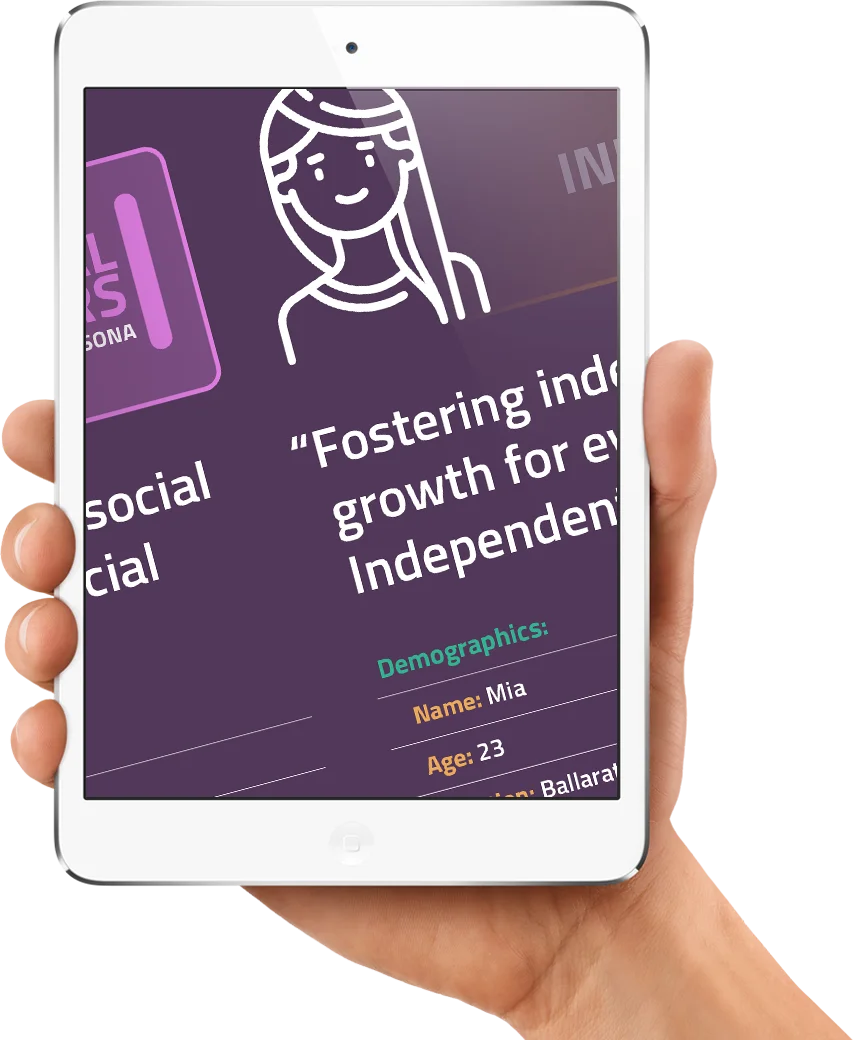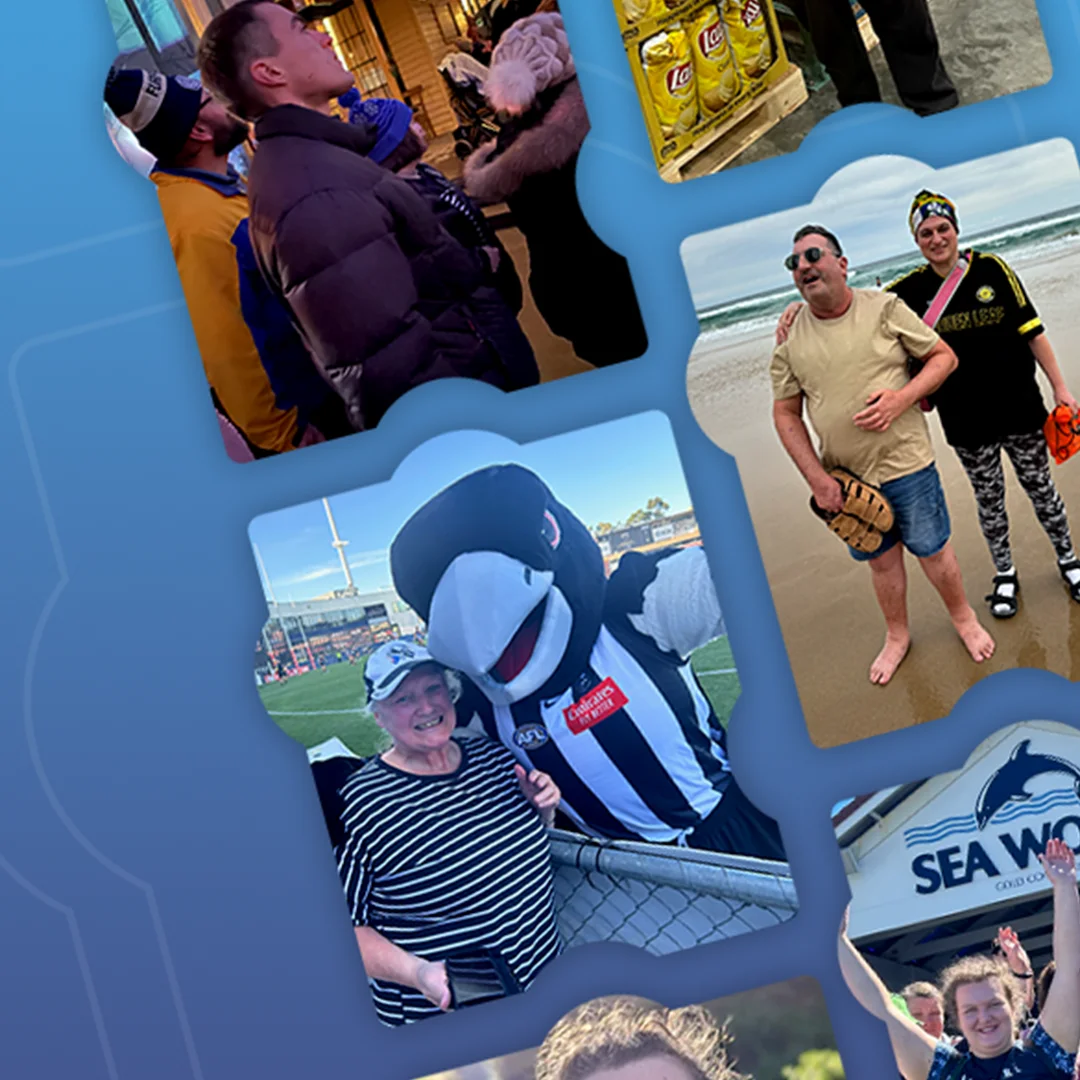
What this defines
Your core reason for being
The deeper purpose behind your business — beyond services or revenue.
Gain practical clarity on your brand, messaging, and website before committing further time and investment.
Audience and positioning
Messaging clarity
Business differentiation
Brand purpose and direction
Service and offer structure
Communication consistency
Logo application
Typography systems
Colour consistency
Graphic assets
Visual hierarchy
Brand presentation
Audience and user alignment
Brand messaging clarity
Site structure and usability
Search visibility and discoverability
Platform flexibility and scalability
Content management and control
Before anything is designed or promoted, clarity is needed. Brand strategy clarifies who your business is built for and why those people should choose you over alternatives.
It clarifies where you compete, what makes you relevant, and how your brand should be understood in the market.
Many businesses struggle not because of design —but because their offer isn't clearly structured.
Brand strategy brings clarity to what you offer, how it’s organised, and how it should be presented. When services or products are clearly defined, your website becomes easier to navigate and your value easier to understand.
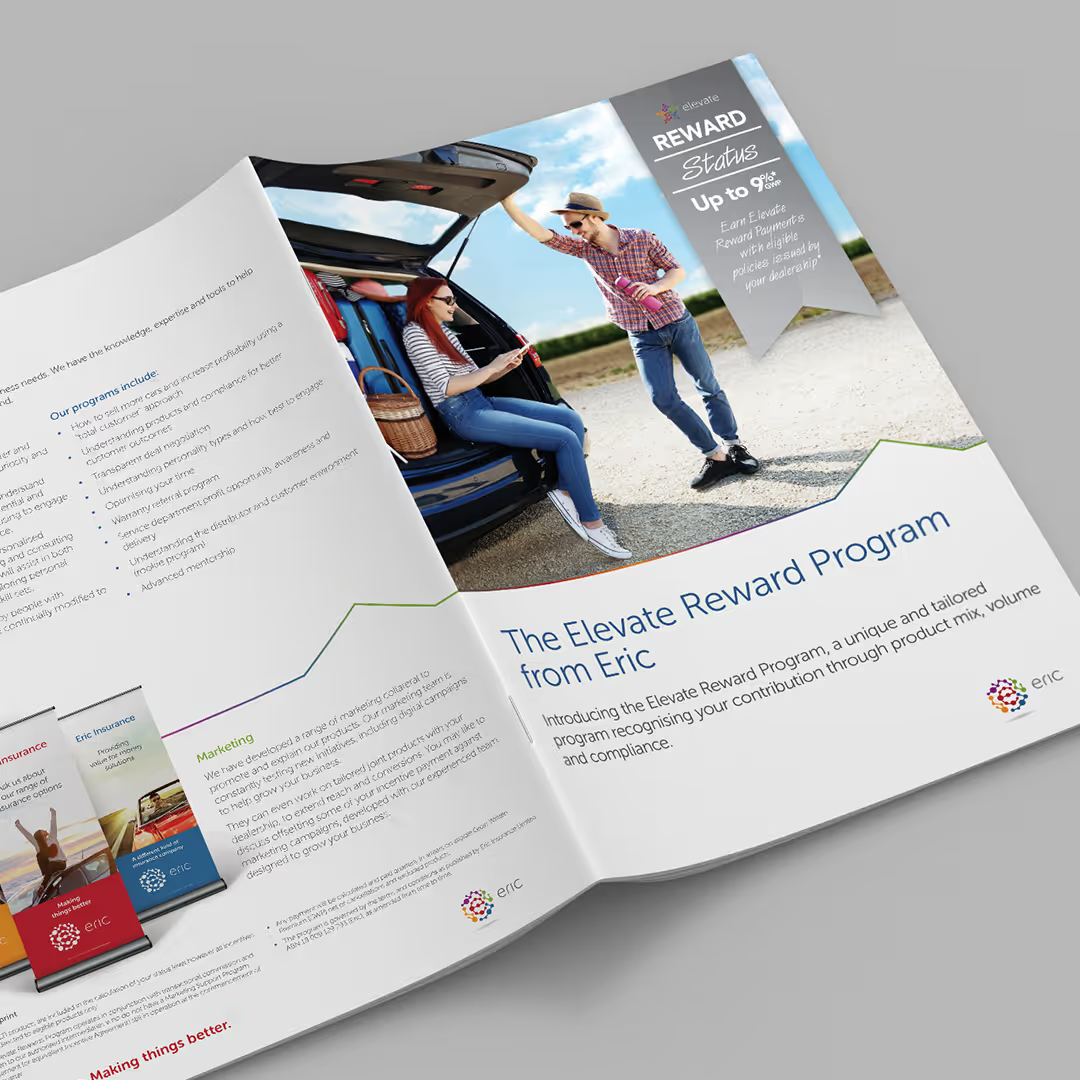
A strong brand is recognised as much by its language as its design.
This stage defines the core messages your business needs to communicate and the tone in which they should be delivered. When your language aligns with your positioning and value, your brand feels consistent, deliberate, and confident.










Below are selected methods we use to bring clarity to positioning, messaging, audience definition, and brand direction — practical tools designed to move thinking from assumption to clarity.
These worksheets give you a starting point to map ideas, clarify thinking, and create direction before deeper project work begins.
Some tools are available to use straight away. Others come to life through deeper collaboration.


Brand strategy defines how your business is positioned, understood, and chosen. These questions address when it’s necessary, what it produces, and how it influences growth, marketing, and decision-making.

Brand strategy creates commercial clarity. It defines how your business is positioned, who it is for, how your offers are structured, and how you communicate — so decisions around pricing, marketing, design, and growth are made with confidence rather than assumption.
Brand strategy becomes valuable when growth starts to feel unclear. If messaging is inconsistent, offers are expanding, marketing isn’t converting as expected, or internal teams describe the business differently, strategy provides alignment.
It reduces guesswork and creates a shared understanding of direction before investing further in marketing or design. Clearer positioning improves conversion, strengthens sales confidence, and increases marketing efficiency over time.
Yes. A logo is visual identity. Strategy defines why you exist, who you serve, and how you differentiate. Without that clarity, design becomes surface-level.
Many businesses already have parts oftheir brand defined — such as a logo, messaging, or internal documentation. The first step is identifying what is clear, what is inconsistent, and what may need refinement.
This can be approached through a focused brand review engagement designed to assess existing elements before recommending deeperstrategic work.
Brand Strategy is delivered as a standalone engagement, and the scope depends on the components agreed at the outset.
This may include foundational brand core elements (such as mission, vision, and values), visual identity systems, messaging frameworks, or a combination of these. Each engagement is clearly defined before commencement and documented accordingly. Website projects focus on build and structural planning; strategic components are scoped separately when required.
It depends on scope, but it’s typically structured across defined stages — from discovery through to synthesis — rather than an open-ended engagement.
Yes. Strategy can inform a website project by clarifying positioning and direction beforehand. Website projects include structural planning and user journey mapping; deeper positioning or messaging work is scoped separately when required.
Yes. Once messaging foundations are clarified, consistency improves across your website, proposals, campaigns, and internal communication.
Explore the FAQ Hub for practical guidance across strategy, websites, design, and working with Brandtribal.
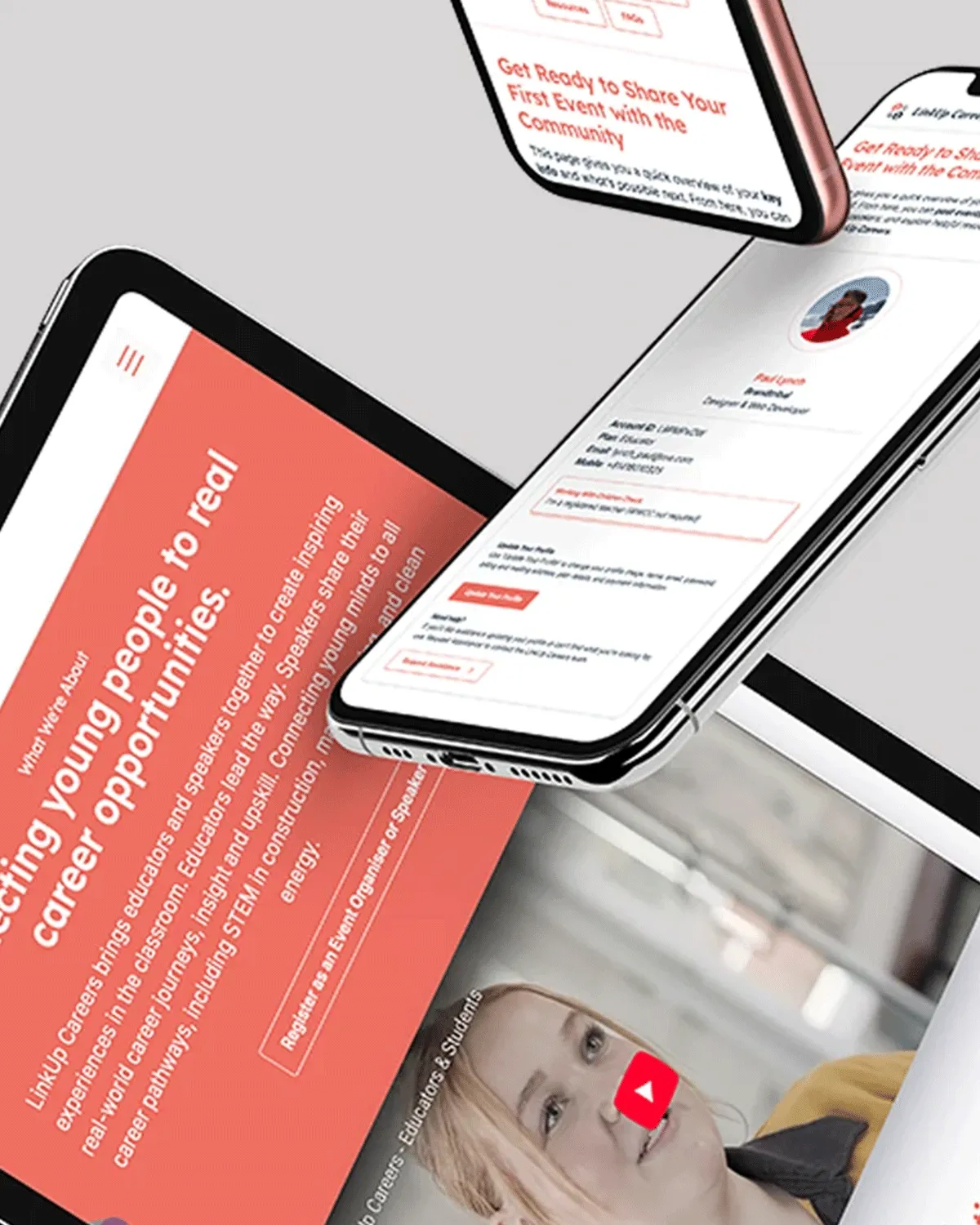









Clarify your position, messaging, and next steps before investing further in your website, marketing, or design.